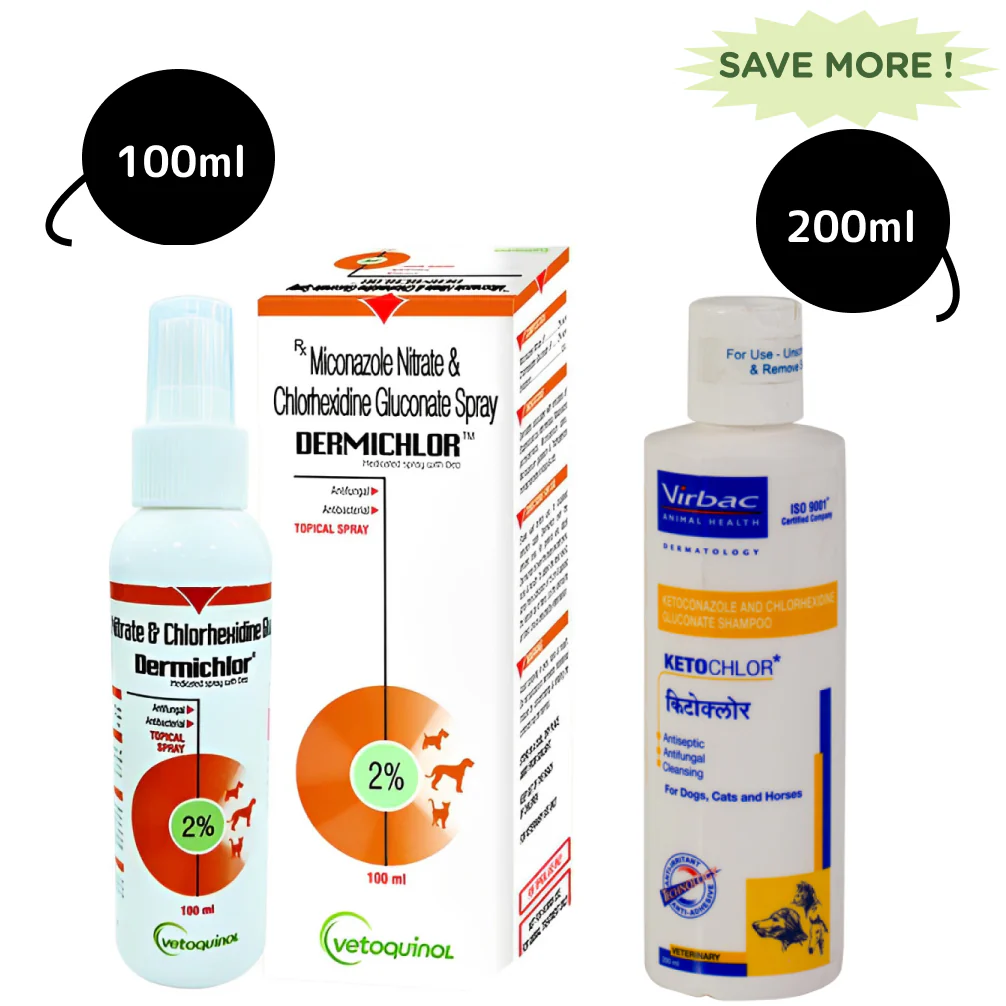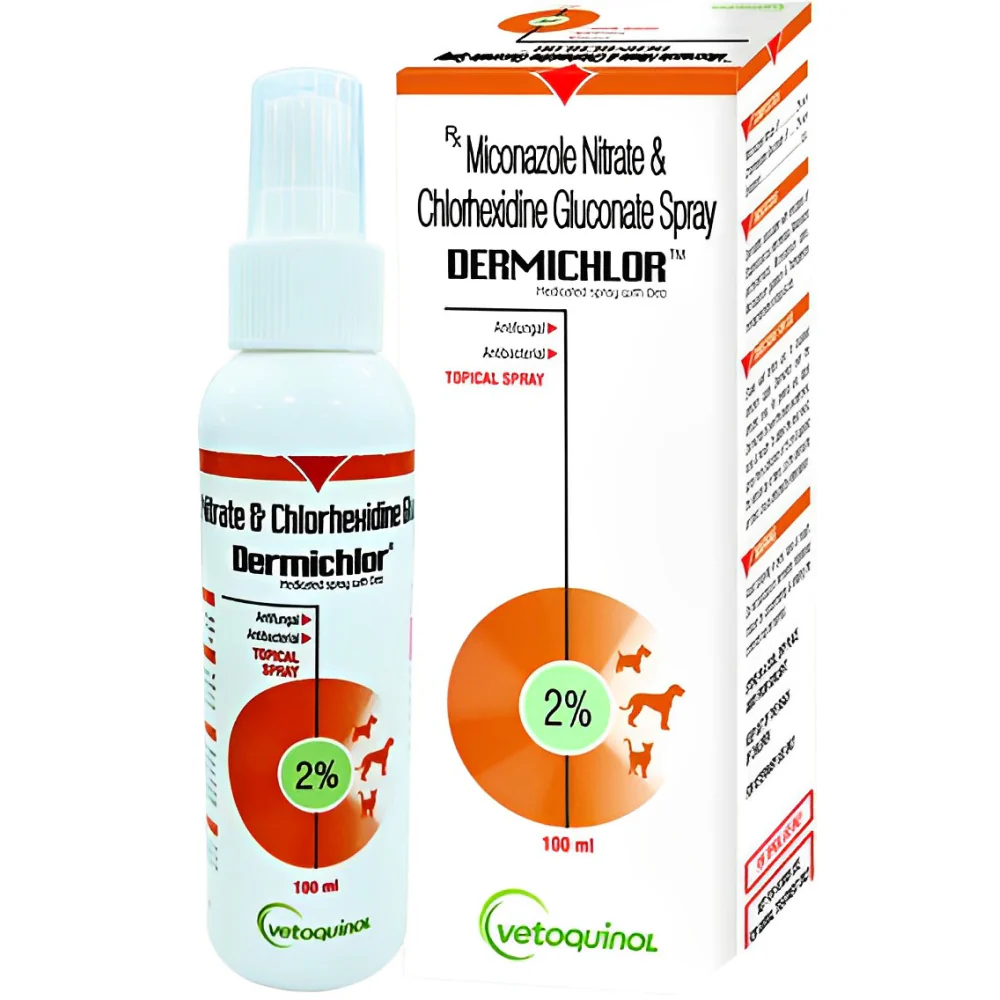
Vetoquinol Dermichlor Antibacterial Antifungal Spray (100ml) for Dogs and Cats
Vetoquinol Dermichlor Spray for Dogs and Cats - Dual-Action Antifungal and Antibacterial Skin Spray from One of Veterinary Medicine's Most Trusted Names
Skin infections in dogs and cats rarely come in single varieties. A Malassezia yeast infection weakens the skin barrier and invites bacterial secondary infection. A pyoderma lesion that isn't drying up properly often has a fungal component underneath. A ringworm patch that keeps spreading may have Staphylococcus establishing alongside the dermatophyte.
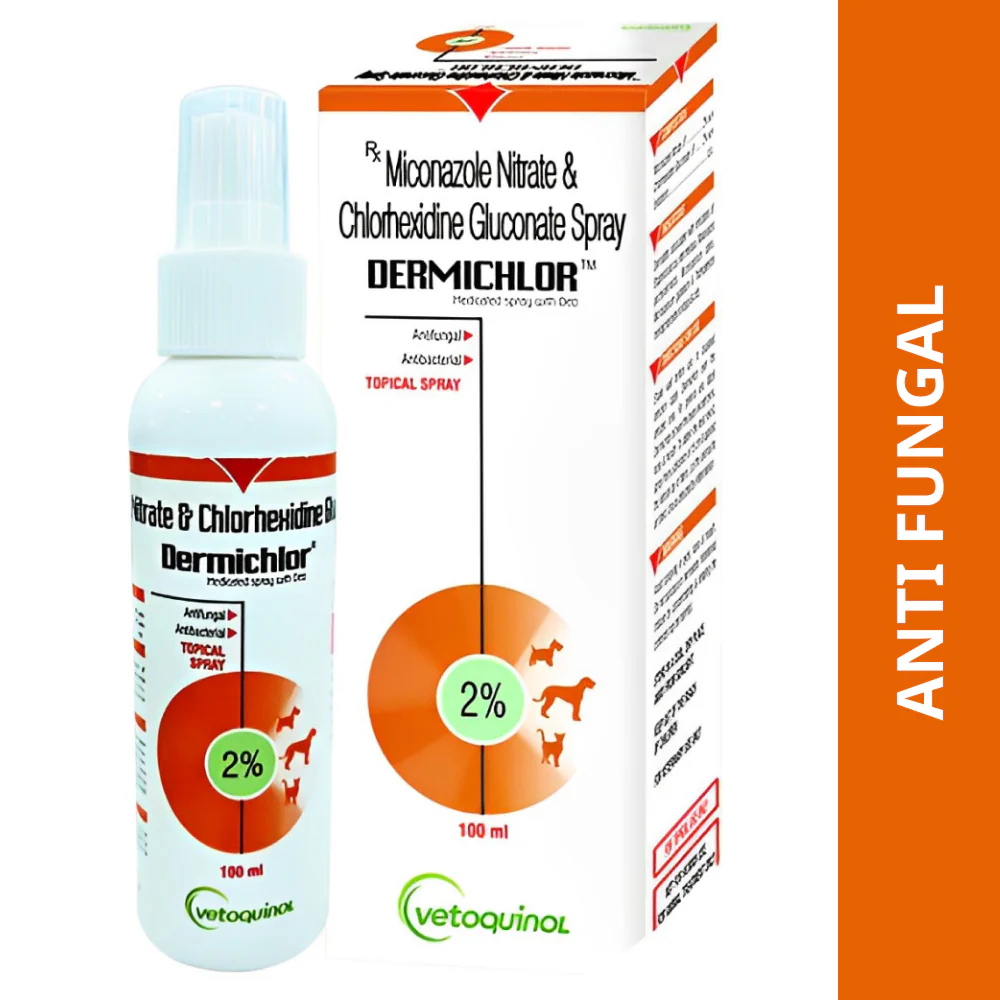
Treating only one part of a mixed skin infection leaves the other half to maintain the problem. The Vetoquinol Dermichlor Spray addresses both simultaneously - in a single, easy-to-apply spray containing Miconazole Nitrate 2% (antifungal) and Chlorhexidine Gluconate 2% (antibacterial) in a propellant-free formula. From one of India's most established veterinary pharmaceutical companies, with over 114 reviews on Supertails and widespread vet recommendation across the country.
Manufactured by Kripa Pharma, Mahaveer Industrial Estate, Haldwani, Nainital, Uttarakhand - 263144. Marketed by Vetoquinol India Animal Health Pvt. Ltd., Bhiwandi, Maharashtra.
Available in a 100 ml spray bottle at ₹251. This is a prescription medication. Use under veterinary supervision.
Each 100 ml contains: Miconazole Nitrate I.P. - 2% w/w and Chlorhexidine Gluconate I.P. - 2% w/w, with Propellant q.s.
What Are the Uses and Benefits of Vetoquinol Dermichlor Spray?
Dermichlor is indicated for dermatitis associated with skin infections in dogs and cats. Here's the full clinical picture of what it covers:
- Malassezia dermatitis - the most common fungal skin condition in Indian dogs. Malassezia pachydermatis, a yeast that normally lives on dog skin in small numbers, proliferates rapidly when skin conditions shift - humidity, allergy, hormonal changes, or immunosuppression. The result is intense itching, a characteristic musty or cheesy smell, greasy skin, hyperpigmentation, and hair loss - typically in skin folds, ear canals, and between the toes. Miconazole 2% in Dermichlor directly targets this yeast.
- Dermatophytosis (ringworm) - caused by Microsporum canis, Microsporum gypseum, and Trichophyton mentagrophytes. Ringworm produces circular patches of hair loss with scaling and crusting - and is zoonotic, meaning it can spread from pets to humans. Dermichlor's Miconazole component is active against all three dermatophyte species cited in the product's indications.
- Superficial and deep pyoderma - bacterial skin infections caused by Staphylococcus intermedius, the most common bacterial pathogen in canine skin disease. Pyoderma presents as pustules, crusted lesions, hot spots, or areas of moist, inflamed skin. Chlorhexidine Gluconate 2% provides broad-spectrum antibacterial coverage, eliminating Staphylococcus and preventing bacterial spread in affected areas.
- Intertrigo - the skin fold dermatitis that commonly affects Pugs, Bulldogs, Shar Peis, and other brachycephalic or heavily folded breeds. The warm, moist environment of skin folds is where both bacteria and yeast thrive - Dermichlor's dual-action formula addresses both organisms in one application.
- Mixed infections - where both bacterial and fungal organisms are contributing to the skin condition simultaneously - are where Dermichlor's combination formula provides the most clinical value, treating both without requiring two separate products.
- Prevention of infection and contamination in affected areas - the residual antibacterial and antifungal action after drying helps keep treated areas protected between applications. For more on understanding fungal skin infections in pets, the blog on ringworm in dogs - myths, facts and treatments is a thorough reference.
What Are the Possible Side Effects?
- Dermichlor is well tolerated by most dogs and cats when used as directed. Serious side effects are uncommon.
- There is limited data available on common side effects specific to this spray. If your pet develops any irritation, redness, or itching at the application site that does not settle on its own or worsens with continued use, discontinue and consult your vet.
- Do not apply to the eyes, nose, mouth, or genital areas. If accidental eye contact occurs, rinse immediately with clean water and contact your vet.
- Do not allow your pet to lick the treated area until it has fully dried - the ingredients are not intended for ingestion.
- Do not apply to large open wounds without veterinary guidance.
How Should You Apply Dermichlor Spray?
- Bathe or groom your pet before applying Dermichlor - this removes surface dirt, loose hair, and debris that would reduce how well the spray reaches the skin. This pre-bath step is specifically recommended by Vetoquinol and makes a meaningful difference in efficacy.
- Shake the bottle well before each use. Spray from a distance of approximately 15 cm from the skin surface.
- The key technique: spray against the natural lay of the hairs - against the direction of coat growth - so the spray penetrates through the outer coat and reaches the skin surface where the infection is. This is the application method specified by Vetoquinol themselves, and it's the difference between coating the outer fur and actually treating the skin beneath it.
- Apply to the affected area, avoiding the eyes, nose, and mouth.
- Allow the area to air-dry completely. Do not towel dry or rinse. The active ingredients need to remain on the skin surface to work - wiping or rinsing removes them before they have adequate contact time.
- Prevent your pet from licking the treated area until fully dry.
- Apply twice daily, or as directed by your vet.
How Does Dermichlor Spray Work?
- Dermichlor works through two active ingredients with different targets - one handling the fungal component and one handling the bacterial component of the skin infection.
- Miconazole Nitrate (2% w/w) is an imidazole-class antifungal. It works by inhibiting the synthesis of ergosterol - the key structural component of fungal cell membranes. Without ergosterol, the fungal cell membrane loses its structural integrity, becomes permeable, and the cell dies. Miconazole is effective against Malassezia pachydermatis, Microsporum canis, Microsporum gypseum, Trichophyton mentagrophytes, and other dermatophytes and yeast species. It works topically on the skin surface - it is not systemically absorbed in meaningful amounts when applied as a spray.
- Chlorhexidine Gluconate (2% w/w) is a broad-spectrum antiseptic. It works by binding to bacterial cell walls and disrupting their permeability - causing leakage of intracellular contents and rapid bacterial cell death. It is effective against Staphylococcus intermedius and a wide range of other gram-positive and gram-negative bacteria relevant to canine skin disease. Chlorhexidine has a substantive effect - it continues binding to skin proteins and providing residual antibacterial activity for a period after application, not just during the application itself.
- Together, the two actives eliminate both fungal and bacterial organisms causing or contributing to the skin infection, reduce inflammation driven by the infection, and create a treated skin environment that is less hospitable to reinfection.
What Safety Advice Should You Know Before Using Dermichlor?
- Prescription medication. Use only under veterinary supervision.
- Do not apply to the eyes, nose, mouth, or genital areas. If accidental contact occurs, rinse immediately with clean water.
- Do not apply to large open wounds.
- Do not allow your pet to lick the treated area until it is fully dry.
- Do not use in pets with known sensitivity to Miconazole, Chlorhexidine, or other topical antiseptics without vet assessment.
- Information regarding use in pregnant or lactating animals is limited - consult your vet before using in these cases.
- Shake well before every use. Store below 30°C away from direct sunlight. Keep out of reach of children.
What Should You Do If You Miss an Application?
- Apply as soon as you remember and continue with the next scheduled application as normal. Do not apply a double dose to compensate.
- Dermichlor is typically applied twice daily for the duration of the prescribed treatment - this frequency maintains a sustained antifungal and antibacterial effect on the skin surface. Missing applications during an active infection gives the organisms a window to recover between doses.
- Set two daily reminders - tying each application to a routine moment (morning grooming, evening feeding) makes staying consistent easier.
What Are All the Substitutes for Vetoquinol Dermichlor Spray?
If Dermichlor Spray is unavailable or your vet recommends a different format, here are other antifungal and antibacterial skin treatments for dogs and cats on Supertails:
| Product | Active Ingredients | Format | Notes |
|---|---|---|---|
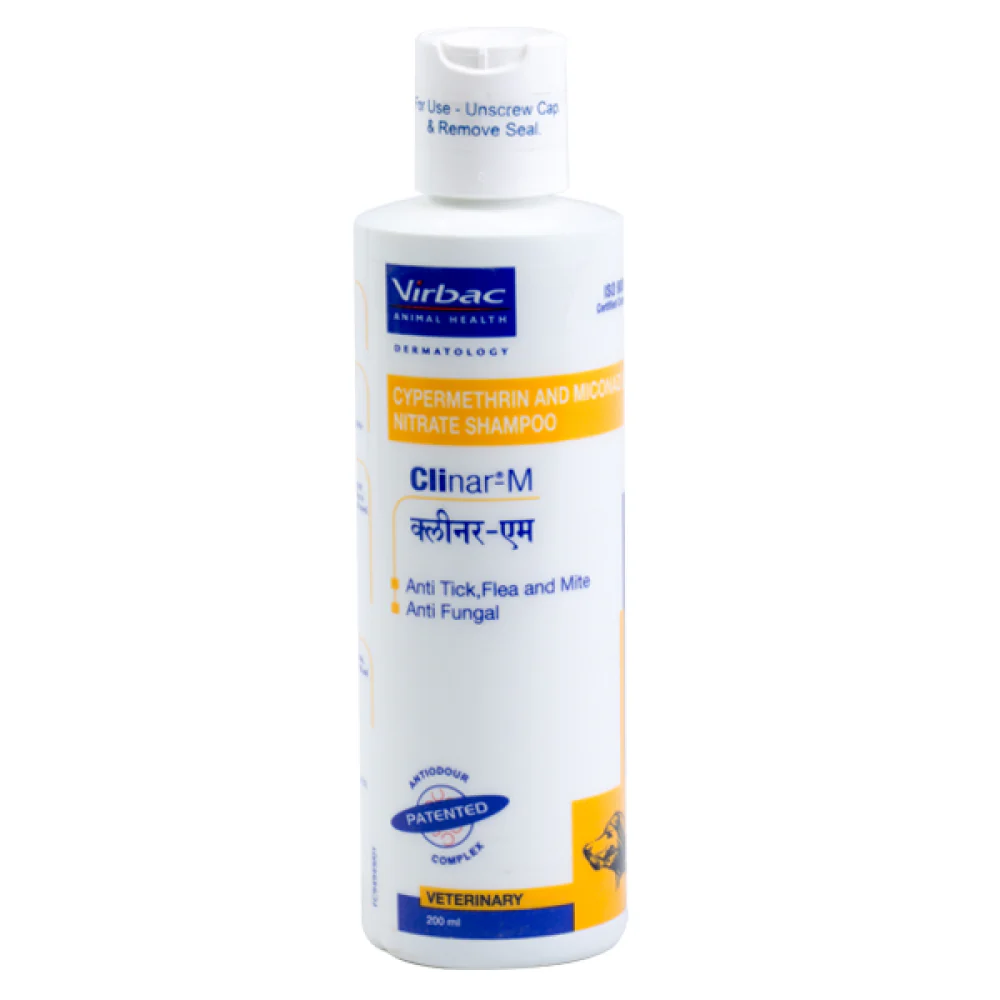
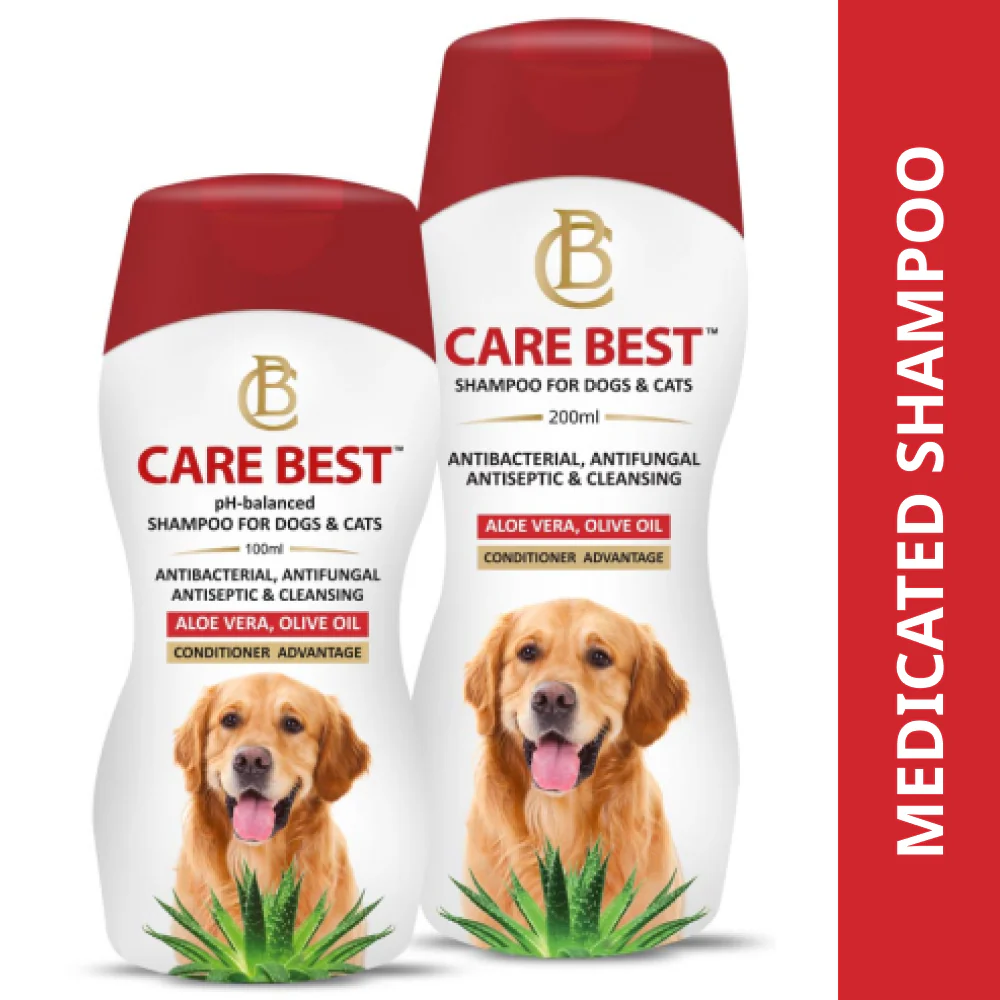
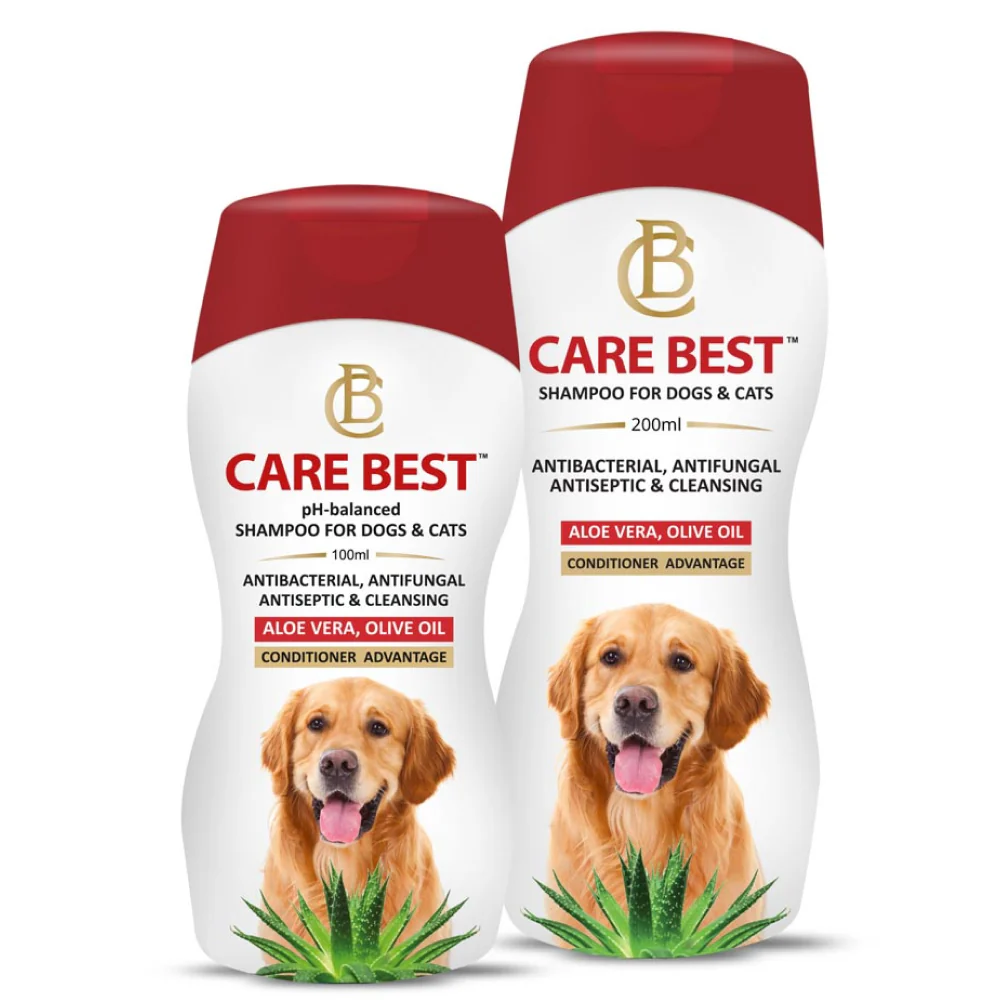
| Zenex Pet Derm Shampoo for Dogs and Cats | Chlorhexidine 2% + Miconazole 2% | Shampoo | Same active combination in shampoo format |
| Veko Sebout Treatment Shampoo for Dogs and Cats | Chlorhexidine 2% + Miconazole 2% | Shampoo | Same actives; paraben and sulfate free |
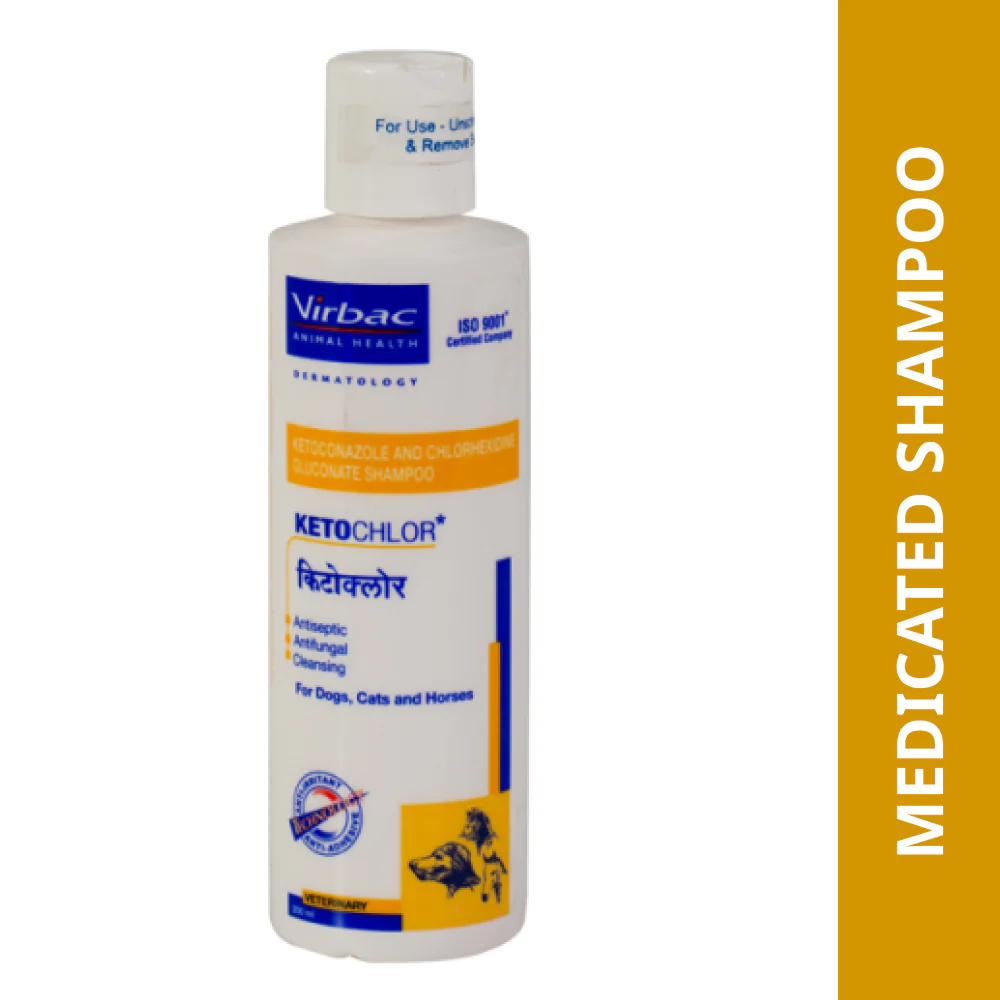
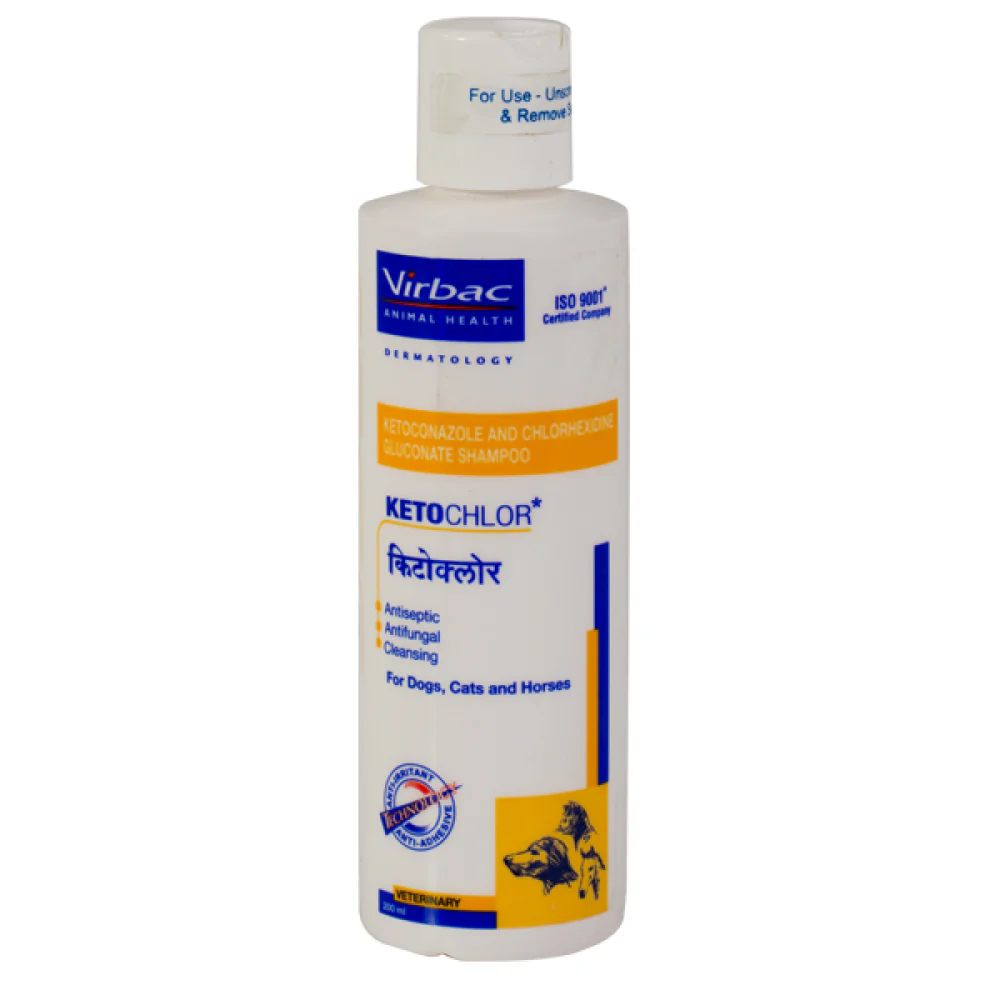
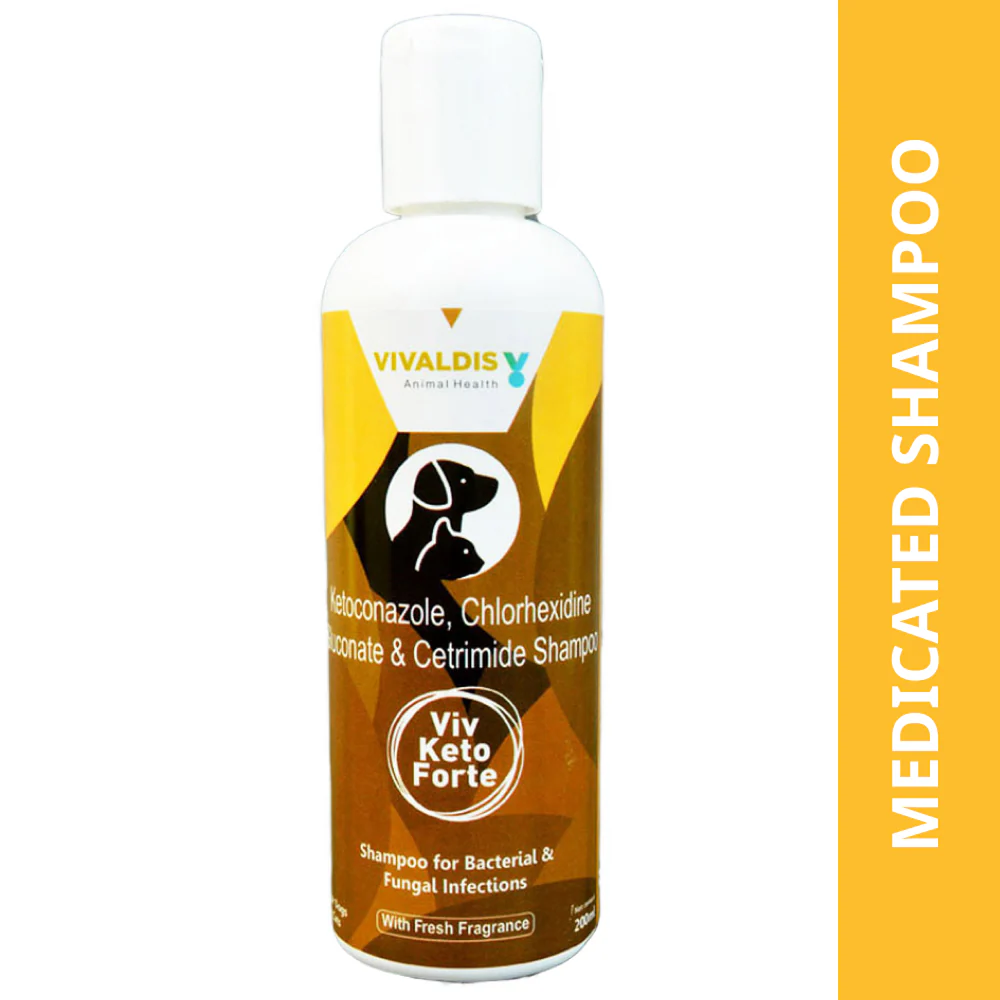
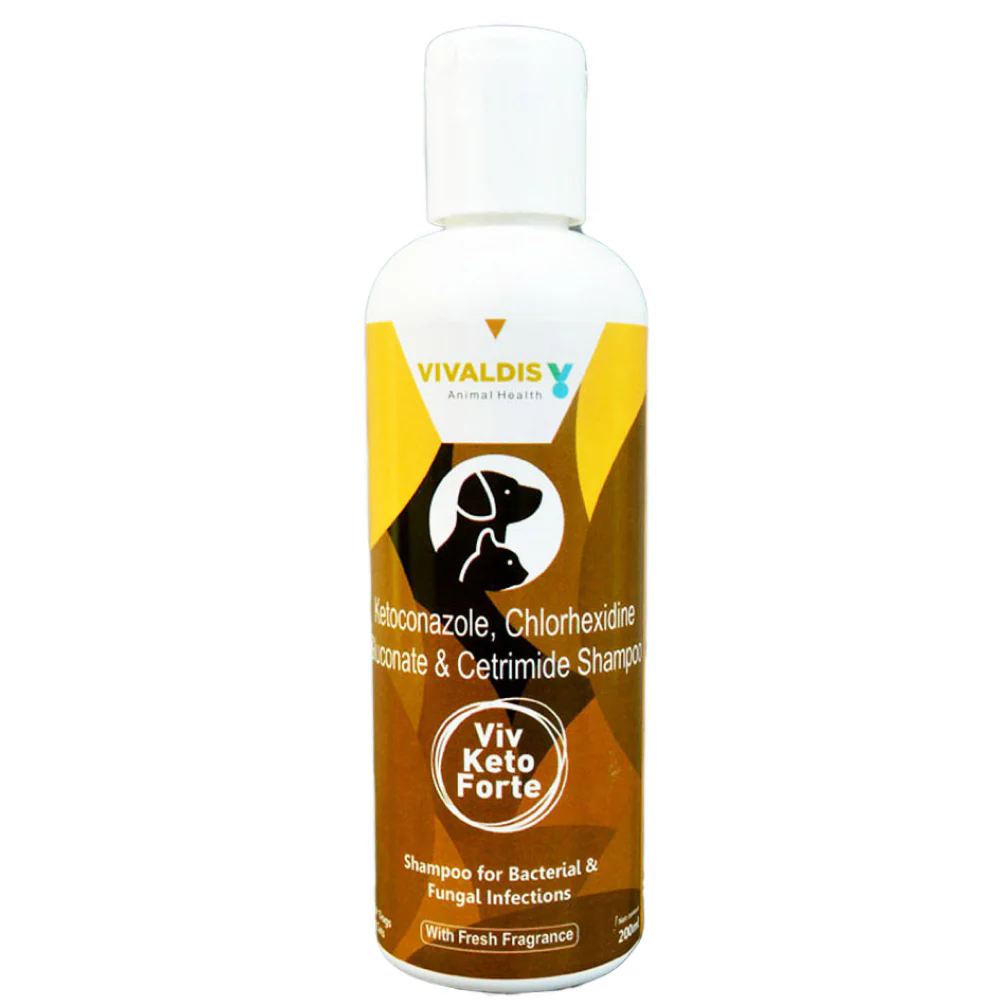
| Savavet Kezopet Antifungal & Antiseptic Shampoo | Ketoconazole 2% + Chlorhexidine 2% + Cetrimide | Shampoo | Ketoconazole in place of Miconazole |
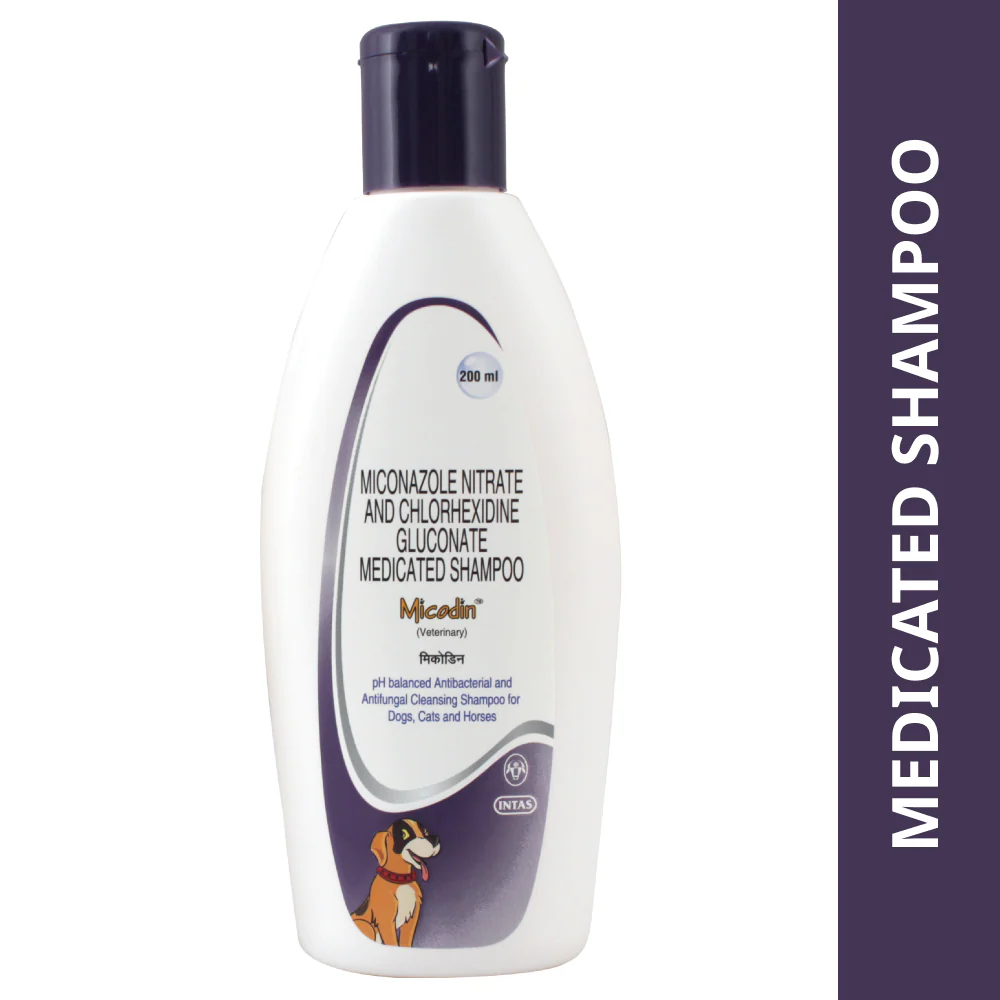
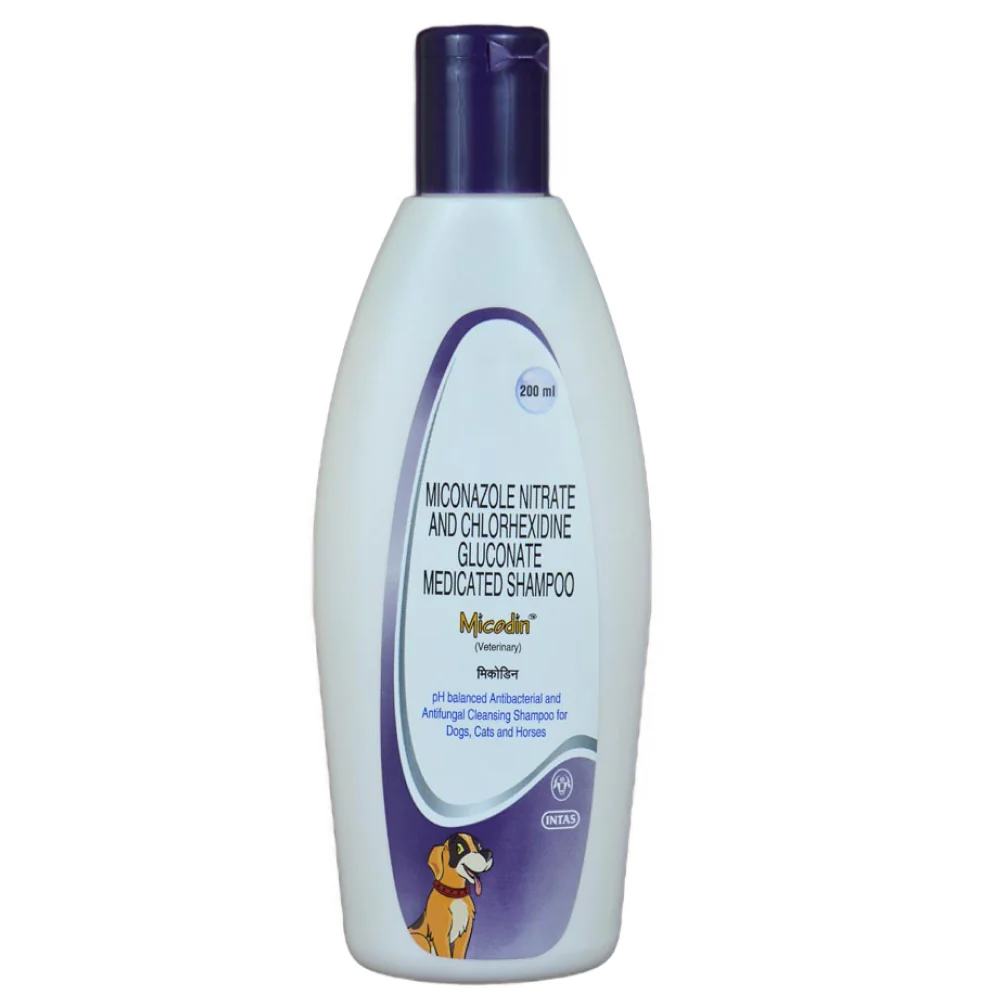
| Intas Micodin Antifungal & Antibacterial Shampoo | Miconazole + Chlorhexidine | Shampoo | Same combination, Intas brand |
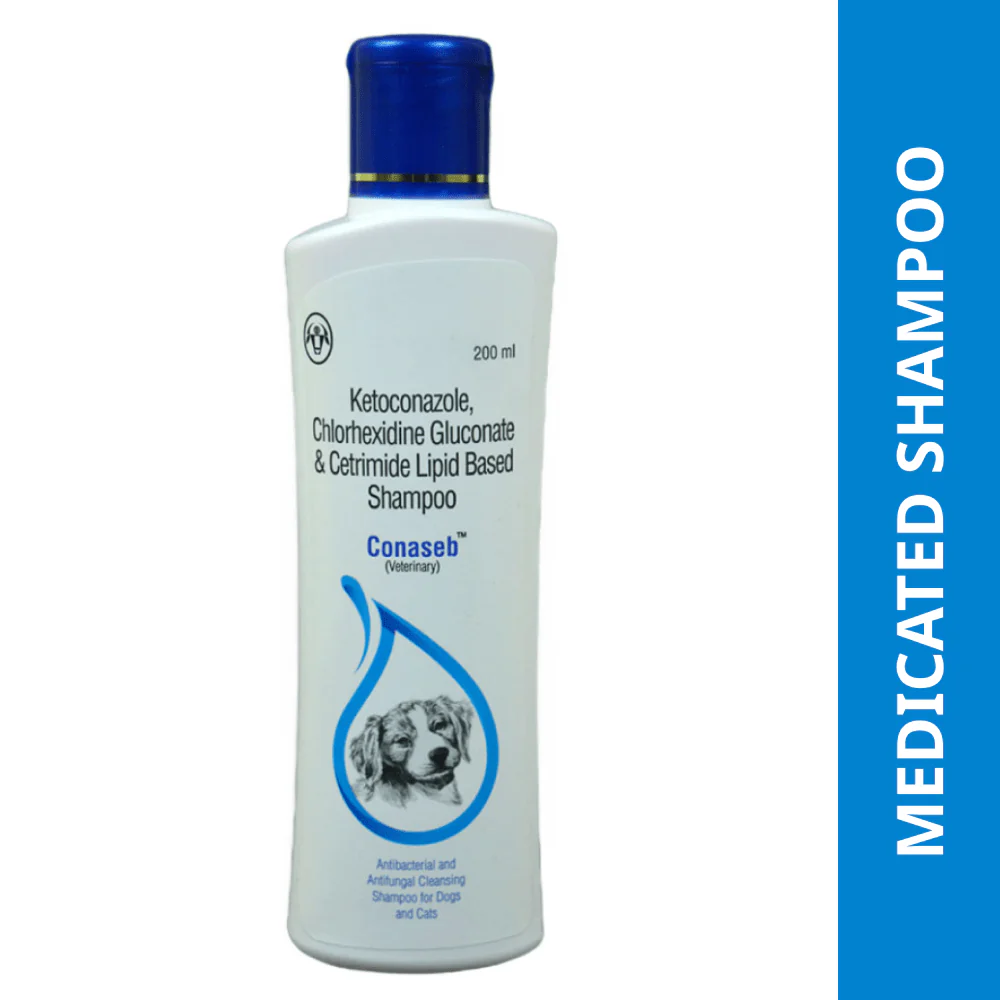
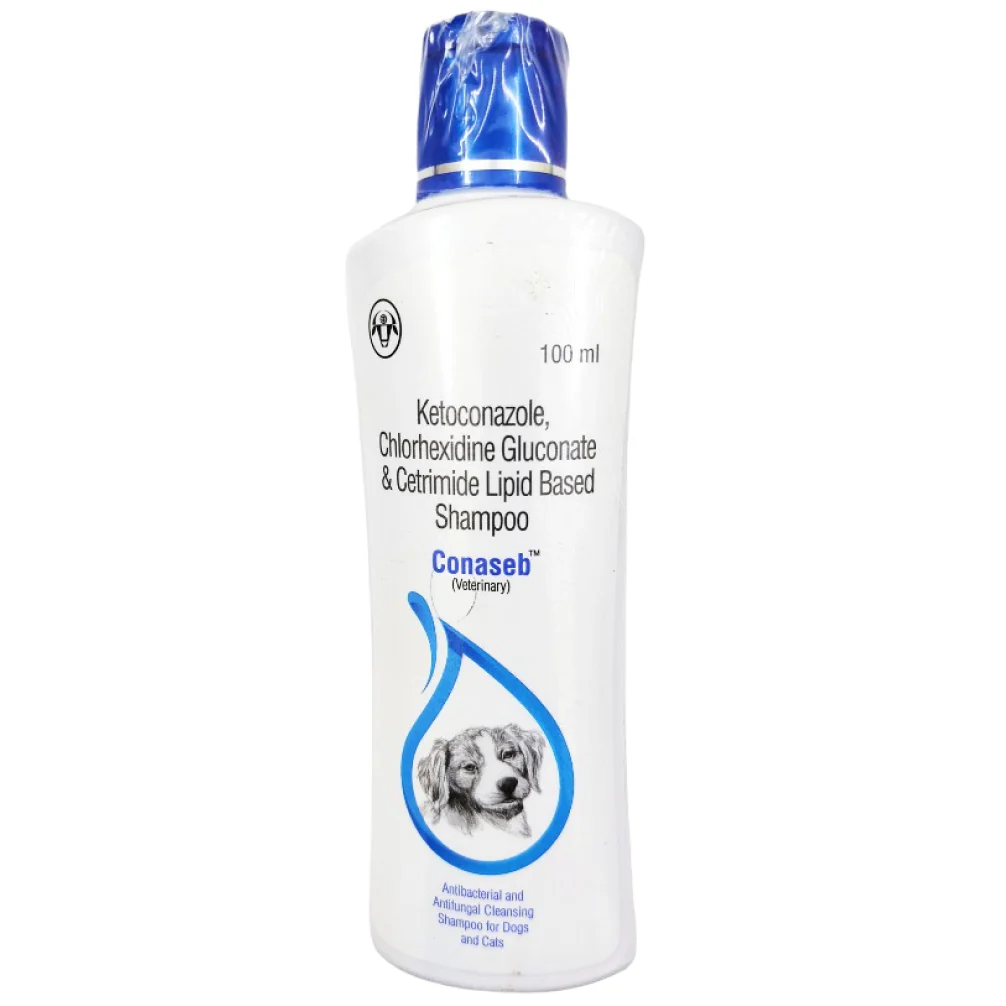
| Intas Conaseb Antibacterial Antifungal Shampoo | Ketoconazole + Chlorhexidine + Cetrimide | Shampoo | Triple-action shampoo |
| Natural Remedies Topicure Pet Wound Healing Spray | Mandukaparni + herbal actives | Spray | Natural herbal alternative spray |
What Are Some Quick Tips for Using Dermichlor Spray Effectively?
- Always bathe your pet before the first application and ideally before each subsequent application of a new area. Dirty, oily, or debris-covered skin significantly reduces how well the active ingredients penetrate and adhere to the skin surface. A quick grooming session before spraying takes a few minutes and meaningfully improves how well the treatment works.
- Spray against the grain - every time. It's easy to default to spraying in the direction of coat growth because it looks neater. But the active ingredients need to reach the skin, not just sit on the outer fur. Spray in the opposite direction of hair growth so the coat parts and the spray reaches the skin.
- Allow full air-drying before letting your pet settle. If your pet moves immediately to their bed or carpet and the treated area isn't fully dry, they may lick it or the product may be absorbed into fabric before it can work on the skin. A few minutes of supervised post-application time makes a difference.
- For skin folds - on Pugs, Bulldogs, and other wrinkled breeds - apply carefully into the fold, ensuring the spray reaches the skin at the base of the fold where the infection is concentrated. This may require gently parting the fold to expose the skin before spraying.
- Monitor for improvement consistently. Most pet parents notice initial improvement within 3-5 days of twice-daily application. If there's no visible improvement after 7-10 days, contact your vet - the infection may be more deep-seated than topical treatment alone can address, or a different organism may be the primary cause.
Vet Tip - Dr Swathi Hareendran, MVSc (10+ years)
"The most important thing I tell pet parents using Dermichlor is this: the spray must reach the skin, not just the top of the coat. The product itself is excellent - Miconazole and Chlorhexidine at 2% each is the gold-standard combination for mixed bacterial-fungal skin infections - but I've had cases where it wasn't working as expected, and the reason was almost always application technique. Spraying in the direction of hair growth, from too far away, on a dirty or oily coat - all of these prevent the actives from reaching the skin where the infection actually is. The correct technique is to bathe the pet first to clean the skin surface, shake the bottle, spray from 15 cm against the direction of hair growth, and let it air-dry completely. Get that right and Dermichlor is one of the most reliably effective topical skin treatments I use."
Vets Also Recommend...
- The full pharmacy skin care collection brings together all vet-approved topical and oral treatments for skin infections in dogs and cats - sprays, shampoos, ointments, and systemic antifungal medications for more advanced cases.
- For pets with significant fungal infections who may need systemic oral antifungal treatment alongside topical Dermichlor, the antibiotics and antifungals for dogs and antibiotics and antifungals for cats collections have vet-prescribed options to discuss.
- The dog skin and coat care collection and cat health and wellness collection have antifungal shampoos, skin recovery supplements, and Omega fatty acid tonics that complement Dermichlor for comprehensive skin management.
- And for a vet to confirm the diagnosis, assess the severity, and recommend whether topical treatment alone is sufficient or whether systemic antifungal medication should be added - Supertails' online vet consultation service is available whenever you need it.
Disclaimer: Supertails' sole intention is to ensure that its consumers get information that is expert-reviewed, accurate, and trustworthy. However, the information contained herein should NOT be used as a substitute for the advice of a qualified physician. The information provided here is for informational purposes only. This may not cover everything about particular health conditions, lab tests, medicines, all possible side effects, drug interactions, warnings, alerts, etc. Please consult your doctor and discuss all your queries related to any disease or medicine. We intend to support, not replace, the doctor-patient relationship.
The Dual-Action Standard for Mixed Skin Infections - Trusted by Indian Vets for a Reason
When a skin infection has both a bacterial and a fungal component - which is more often than not - treating only half of it means the other half keeps the problem going. Vetoquinol Dermichlor brings Miconazole and Chlorhexidine together at 2% each in a single spray, addressing both causes simultaneously, from one of India's most established veterinary pharmaceutical companies.
100 ml. ₹251. Twice daily. Spray against the grain, let it air-dry, and let the active ingredients do their work. Shop Vetoquinol Dermichlor Spray for Dogs and Cats on Supertails - with a valid veterinary prescription, delivered to your door.
FAQs
What is Dermichlor Spray used for?
Vetoquinol Dermichlor is a dual-action antibacterial and antifungal spray for dogs and cats, containing Miconazole Nitrate 2% and Chlorhexidine Gluconate 2%. It treats dermatitis caused by mixed fungal and bacterial skin infections - specifically Malassezia dermatitis, ringworm (Microsporum canis, Microsporum gypseum, Trichophyton mentagrophytes), and bacterial pyoderma caused by Staphylococcus intermedius. It also prevents infection and contamination in affected areas between applications.
How many times a day should I apply Dermichlor Spray?
Dermichlor is applied twice daily - morning and evening - or as directed by your vet. Each application should be preceded by a grooming or bathing session to clean the skin surface, and the spray should be left to air-dry completely without towel drying or rinsing. Do not apply more frequently than directed - consistency at twice daily for the prescribed duration is more important than additional applications.
Can Dermichlor Spray treat fungal infections?
Yes - the Miconazole Nitrate 2% in Dermichlor is specifically and primarily an antifungal, active against Malassezia yeast, ringworm-causing dermatophytes (Microsporum and Trichophyton species), and other fungal organisms that commonly cause skin conditions in dogs and cats. The Chlorhexidine Gluconate 2% covers the bacterial component. Together, they address both organisms in a single application.
How does Dermichlor Spray work on skin infections?
Miconazole inhibits the synthesis of ergosterol in fungal cell membranes - without it, the membrane loses integrity, the cell becomes permeable, and the fungus dies. Chlorhexidine binds to bacterial cell walls, causing membrane disruption, leakage of cell contents, and bacterial death. Chlorhexidine also has a residual substantive effect on skin proteins after application, providing continued antibacterial activity between doses.
How do I apply Dermichlor Spray correctly for best results?
Bathe or groom your pet before application to clean the skin surface. Shake the bottle well. Hold the bottle approximately 15 cm from the skin. Spray against the natural lay of the hairs - this is the most important step - so the spray parts the coat and reaches the skin rather than sitting on the outer fur. Allow the treated area to air-dry completely without towel drying or rinsing. Prevent licking until dry. Repeat twice daily as directed by your vet.
Original: $2.63
-65%$2.63
$0.92Product Information
Product Information
Shipping & Returns
Shipping & Returns
Description
Vetoquinol Dermichlor Spray for Dogs and Cats - Dual-Action Antifungal and Antibacterial Skin Spray from One of Veterinary Medicine's Most Trusted Names
Skin infections in dogs and cats rarely come in single varieties. A Malassezia yeast infection weakens the skin barrier and invites bacterial secondary infection. A pyoderma lesion that isn't drying up properly often has a fungal component underneath. A ringworm patch that keeps spreading may have Staphylococcus establishing alongside the dermatophyte.
Treating only one part of a mixed skin infection leaves the other half to maintain the problem. The Vetoquinol Dermichlor Spray addresses both simultaneously - in a single, easy-to-apply spray containing Miconazole Nitrate 2% (antifungal) and Chlorhexidine Gluconate 2% (antibacterial) in a propellant-free formula. From one of India's most established veterinary pharmaceutical companies, with over 114 reviews on Supertails and widespread vet recommendation across the country.
Manufactured by Kripa Pharma, Mahaveer Industrial Estate, Haldwani, Nainital, Uttarakhand - 263144. Marketed by Vetoquinol India Animal Health Pvt. Ltd., Bhiwandi, Maharashtra.
Available in a 100 ml spray bottle at ₹251. This is a prescription medication. Use under veterinary supervision.
Each 100 ml contains: Miconazole Nitrate I.P. - 2% w/w and Chlorhexidine Gluconate I.P. - 2% w/w, with Propellant q.s.
What Are the Uses and Benefits of Vetoquinol Dermichlor Spray?
Dermichlor is indicated for dermatitis associated with skin infections in dogs and cats. Here's the full clinical picture of what it covers:
- Malassezia dermatitis - the most common fungal skin condition in Indian dogs. Malassezia pachydermatis, a yeast that normally lives on dog skin in small numbers, proliferates rapidly when skin conditions shift - humidity, allergy, hormonal changes, or immunosuppression. The result is intense itching, a characteristic musty or cheesy smell, greasy skin, hyperpigmentation, and hair loss - typically in skin folds, ear canals, and between the toes. Miconazole 2% in Dermichlor directly targets this yeast.
- Dermatophytosis (ringworm) - caused by Microsporum canis, Microsporum gypseum, and Trichophyton mentagrophytes. Ringworm produces circular patches of hair loss with scaling and crusting - and is zoonotic, meaning it can spread from pets to humans. Dermichlor's Miconazole component is active against all three dermatophyte species cited in the product's indications.
- Superficial and deep pyoderma - bacterial skin infections caused by Staphylococcus intermedius, the most common bacterial pathogen in canine skin disease. Pyoderma presents as pustules, crusted lesions, hot spots, or areas of moist, inflamed skin. Chlorhexidine Gluconate 2% provides broad-spectrum antibacterial coverage, eliminating Staphylococcus and preventing bacterial spread in affected areas.
- Intertrigo - the skin fold dermatitis that commonly affects Pugs, Bulldogs, Shar Peis, and other brachycephalic or heavily folded breeds. The warm, moist environment of skin folds is where both bacteria and yeast thrive - Dermichlor's dual-action formula addresses both organisms in one application.
- Mixed infections - where both bacterial and fungal organisms are contributing to the skin condition simultaneously - are where Dermichlor's combination formula provides the most clinical value, treating both without requiring two separate products.
- Prevention of infection and contamination in affected areas - the residual antibacterial and antifungal action after drying helps keep treated areas protected between applications. For more on understanding fungal skin infections in pets, the blog on ringworm in dogs - myths, facts and treatments is a thorough reference.
What Are the Possible Side Effects?
- Dermichlor is well tolerated by most dogs and cats when used as directed. Serious side effects are uncommon.
- There is limited data available on common side effects specific to this spray. If your pet develops any irritation, redness, or itching at the application site that does not settle on its own or worsens with continued use, discontinue and consult your vet.
- Do not apply to the eyes, nose, mouth, or genital areas. If accidental eye contact occurs, rinse immediately with clean water and contact your vet.
- Do not allow your pet to lick the treated area until it has fully dried - the ingredients are not intended for ingestion.
- Do not apply to large open wounds without veterinary guidance.
How Should You Apply Dermichlor Spray?
- Bathe or groom your pet before applying Dermichlor - this removes surface dirt, loose hair, and debris that would reduce how well the spray reaches the skin. This pre-bath step is specifically recommended by Vetoquinol and makes a meaningful difference in efficacy.
- Shake the bottle well before each use. Spray from a distance of approximately 15 cm from the skin surface.
- The key technique: spray against the natural lay of the hairs - against the direction of coat growth - so the spray penetrates through the outer coat and reaches the skin surface where the infection is. This is the application method specified by Vetoquinol themselves, and it's the difference between coating the outer fur and actually treating the skin beneath it.
- Apply to the affected area, avoiding the eyes, nose, and mouth.
- Allow the area to air-dry completely. Do not towel dry or rinse. The active ingredients need to remain on the skin surface to work - wiping or rinsing removes them before they have adequate contact time.
- Prevent your pet from licking the treated area until fully dry.
- Apply twice daily, or as directed by your vet.
How Does Dermichlor Spray Work?
- Dermichlor works through two active ingredients with different targets - one handling the fungal component and one handling the bacterial component of the skin infection.
- Miconazole Nitrate (2% w/w) is an imidazole-class antifungal. It works by inhibiting the synthesis of ergosterol - the key structural component of fungal cell membranes. Without ergosterol, the fungal cell membrane loses its structural integrity, becomes permeable, and the cell dies. Miconazole is effective against Malassezia pachydermatis, Microsporum canis, Microsporum gypseum, Trichophyton mentagrophytes, and other dermatophytes and yeast species. It works topically on the skin surface - it is not systemically absorbed in meaningful amounts when applied as a spray.
- Chlorhexidine Gluconate (2% w/w) is a broad-spectrum antiseptic. It works by binding to bacterial cell walls and disrupting their permeability - causing leakage of intracellular contents and rapid bacterial cell death. It is effective against Staphylococcus intermedius and a wide range of other gram-positive and gram-negative bacteria relevant to canine skin disease. Chlorhexidine has a substantive effect - it continues binding to skin proteins and providing residual antibacterial activity for a period after application, not just during the application itself.
- Together, the two actives eliminate both fungal and bacterial organisms causing or contributing to the skin infection, reduce inflammation driven by the infection, and create a treated skin environment that is less hospitable to reinfection.
What Safety Advice Should You Know Before Using Dermichlor?
- Prescription medication. Use only under veterinary supervision.
- Do not apply to the eyes, nose, mouth, or genital areas. If accidental contact occurs, rinse immediately with clean water.
- Do not apply to large open wounds.
- Do not allow your pet to lick the treated area until it is fully dry.
- Do not use in pets with known sensitivity to Miconazole, Chlorhexidine, or other topical antiseptics without vet assessment.
- Information regarding use in pregnant or lactating animals is limited - consult your vet before using in these cases.
- Shake well before every use. Store below 30°C away from direct sunlight. Keep out of reach of children.
What Should You Do If You Miss an Application?
- Apply as soon as you remember and continue with the next scheduled application as normal. Do not apply a double dose to compensate.
- Dermichlor is typically applied twice daily for the duration of the prescribed treatment - this frequency maintains a sustained antifungal and antibacterial effect on the skin surface. Missing applications during an active infection gives the organisms a window to recover between doses.
- Set two daily reminders - tying each application to a routine moment (morning grooming, evening feeding) makes staying consistent easier.
What Are All the Substitutes for Vetoquinol Dermichlor Spray?
If Dermichlor Spray is unavailable or your vet recommends a different format, here are other antifungal and antibacterial skin treatments for dogs and cats on Supertails:
| Product | Active Ingredients | Format | Notes |
|---|---|---|---|
| Zenex Pet Derm Shampoo for Dogs and Cats | Chlorhexidine 2% + Miconazole 2% | Shampoo | Same active combination in shampoo format |
| Veko Sebout Treatment Shampoo for Dogs and Cats | Chlorhexidine 2% + Miconazole 2% | Shampoo | Same actives; paraben and sulfate free |
| Savavet Kezopet Antifungal & Antiseptic Shampoo | Ketoconazole 2% + Chlorhexidine 2% + Cetrimide | Shampoo | Ketoconazole in place of Miconazole |
| Intas Micodin Antifungal & Antibacterial Shampoo | Miconazole + Chlorhexidine | Shampoo | Same combination, Intas brand |
| Intas Conaseb Antibacterial Antifungal Shampoo | Ketoconazole + Chlorhexidine + Cetrimide | Shampoo | Triple-action shampoo |
| Natural Remedies Topicure Pet Wound Healing Spray | Mandukaparni + herbal actives | Spray | Natural herbal alternative spray |
What Are Some Quick Tips for Using Dermichlor Spray Effectively?
- Always bathe your pet before the first application and ideally before each subsequent application of a new area. Dirty, oily, or debris-covered skin significantly reduces how well the active ingredients penetrate and adhere to the skin surface. A quick grooming session before spraying takes a few minutes and meaningfully improves how well the treatment works.
- Spray against the grain - every time. It's easy to default to spraying in the direction of coat growth because it looks neater. But the active ingredients need to reach the skin, not just sit on the outer fur. Spray in the opposite direction of hair growth so the coat parts and the spray reaches the skin.
- Allow full air-drying before letting your pet settle. If your pet moves immediately to their bed or carpet and the treated area isn't fully dry, they may lick it or the product may be absorbed into fabric before it can work on the skin. A few minutes of supervised post-application time makes a difference.
- For skin folds - on Pugs, Bulldogs, and other wrinkled breeds - apply carefully into the fold, ensuring the spray reaches the skin at the base of the fold where the infection is concentrated. This may require gently parting the fold to expose the skin before spraying.
- Monitor for improvement consistently. Most pet parents notice initial improvement within 3-5 days of twice-daily application. If there's no visible improvement after 7-10 days, contact your vet - the infection may be more deep-seated than topical treatment alone can address, or a different organism may be the primary cause.
Vet Tip - Dr Swathi Hareendran, MVSc (10+ years)
"The most important thing I tell pet parents using Dermichlor is this: the spray must reach the skin, not just the top of the coat. The product itself is excellent - Miconazole and Chlorhexidine at 2% each is the gold-standard combination for mixed bacterial-fungal skin infections - but I've had cases where it wasn't working as expected, and the reason was almost always application technique. Spraying in the direction of hair growth, from too far away, on a dirty or oily coat - all of these prevent the actives from reaching the skin where the infection actually is. The correct technique is to bathe the pet first to clean the skin surface, shake the bottle, spray from 15 cm against the direction of hair growth, and let it air-dry completely. Get that right and Dermichlor is one of the most reliably effective topical skin treatments I use."
Vets Also Recommend...
- The full pharmacy skin care collection brings together all vet-approved topical and oral treatments for skin infections in dogs and cats - sprays, shampoos, ointments, and systemic antifungal medications for more advanced cases.
- For pets with significant fungal infections who may need systemic oral antifungal treatment alongside topical Dermichlor, the antibiotics and antifungals for dogs and antibiotics and antifungals for cats collections have vet-prescribed options to discuss.
- The dog skin and coat care collection and cat health and wellness collection have antifungal shampoos, skin recovery supplements, and Omega fatty acid tonics that complement Dermichlor for comprehensive skin management.
- And for a vet to confirm the diagnosis, assess the severity, and recommend whether topical treatment alone is sufficient or whether systemic antifungal medication should be added - Supertails' online vet consultation service is available whenever you need it.
Disclaimer: Supertails' sole intention is to ensure that its consumers get information that is expert-reviewed, accurate, and trustworthy. However, the information contained herein should NOT be used as a substitute for the advice of a qualified physician. The information provided here is for informational purposes only. This may not cover everything about particular health conditions, lab tests, medicines, all possible side effects, drug interactions, warnings, alerts, etc. Please consult your doctor and discuss all your queries related to any disease or medicine. We intend to support, not replace, the doctor-patient relationship.
The Dual-Action Standard for Mixed Skin Infections - Trusted by Indian Vets for a Reason
When a skin infection has both a bacterial and a fungal component - which is more often than not - treating only half of it means the other half keeps the problem going. Vetoquinol Dermichlor brings Miconazole and Chlorhexidine together at 2% each in a single spray, addressing both causes simultaneously, from one of India's most established veterinary pharmaceutical companies.
100 ml. ₹251. Twice daily. Spray against the grain, let it air-dry, and let the active ingredients do their work. Shop Vetoquinol Dermichlor Spray for Dogs and Cats on Supertails - with a valid veterinary prescription, delivered to your door.
FAQs
What is Dermichlor Spray used for?
Vetoquinol Dermichlor is a dual-action antibacterial and antifungal spray for dogs and cats, containing Miconazole Nitrate 2% and Chlorhexidine Gluconate 2%. It treats dermatitis caused by mixed fungal and bacterial skin infections - specifically Malassezia dermatitis, ringworm (Microsporum canis, Microsporum gypseum, Trichophyton mentagrophytes), and bacterial pyoderma caused by Staphylococcus intermedius. It also prevents infection and contamination in affected areas between applications.
How many times a day should I apply Dermichlor Spray?
Dermichlor is applied twice daily - morning and evening - or as directed by your vet. Each application should be preceded by a grooming or bathing session to clean the skin surface, and the spray should be left to air-dry completely without towel drying or rinsing. Do not apply more frequently than directed - consistency at twice daily for the prescribed duration is more important than additional applications.
Can Dermichlor Spray treat fungal infections?
Yes - the Miconazole Nitrate 2% in Dermichlor is specifically and primarily an antifungal, active against Malassezia yeast, ringworm-causing dermatophytes (Microsporum and Trichophyton species), and other fungal organisms that commonly cause skin conditions in dogs and cats. The Chlorhexidine Gluconate 2% covers the bacterial component. Together, they address both organisms in a single application.
How does Dermichlor Spray work on skin infections?
Miconazole inhibits the synthesis of ergosterol in fungal cell membranes - without it, the membrane loses integrity, the cell becomes permeable, and the fungus dies. Chlorhexidine binds to bacterial cell walls, causing membrane disruption, leakage of cell contents, and bacterial death. Chlorhexidine also has a residual substantive effect on skin proteins after application, providing continued antibacterial activity between doses.
How do I apply Dermichlor Spray correctly for best results?
Bathe or groom your pet before application to clean the skin surface. Shake the bottle well. Hold the bottle approximately 15 cm from the skin. Spray against the natural lay of the hairs - this is the most important step - so the spray parts the coat and reaches the skin rather than sitting on the outer fur. Allow the treated area to air-dry completely without towel drying or rinsing. Prevent licking until dry. Repeat twice daily as directed by your vet.