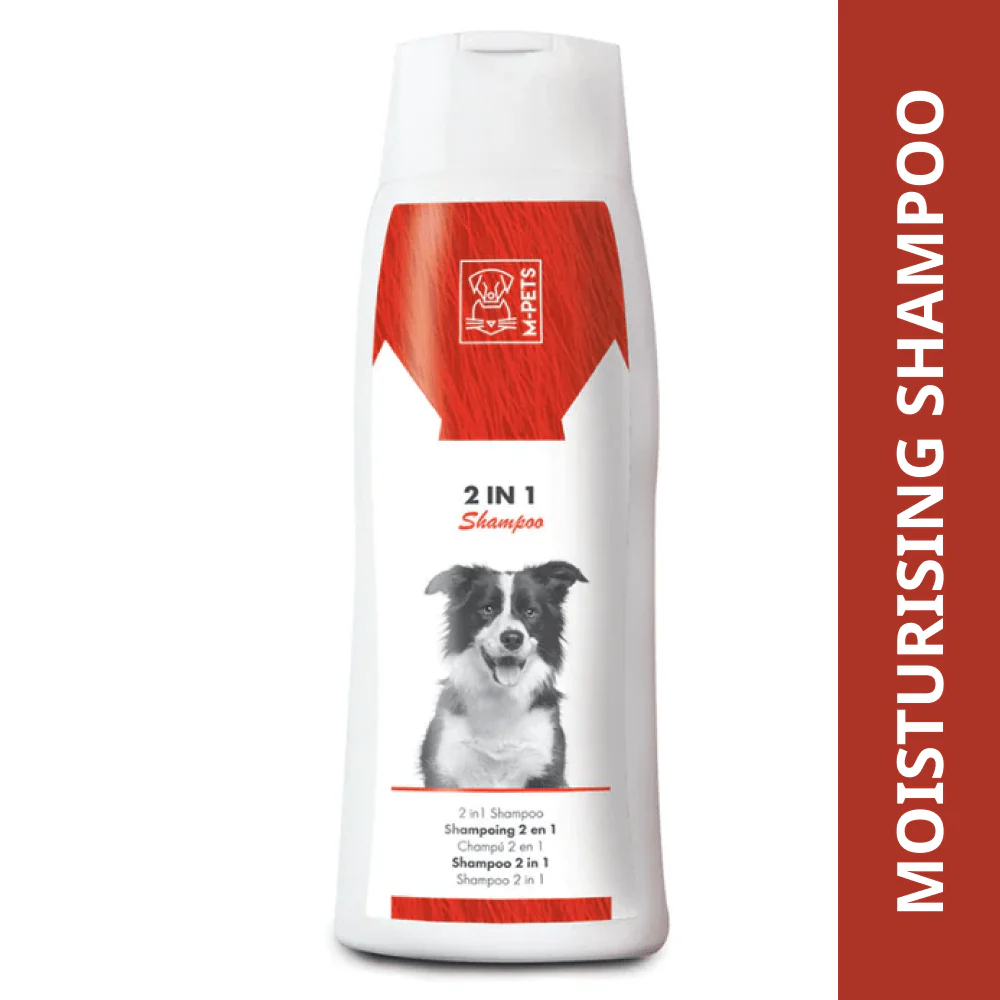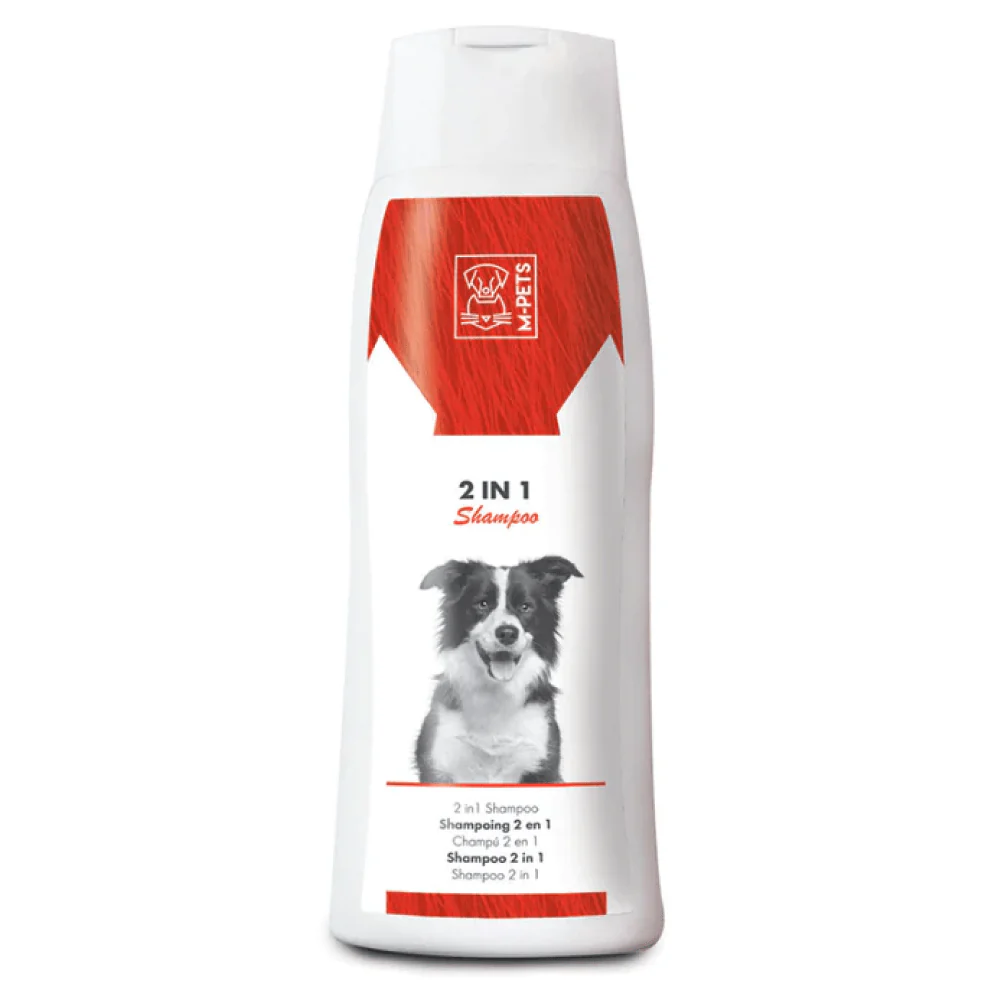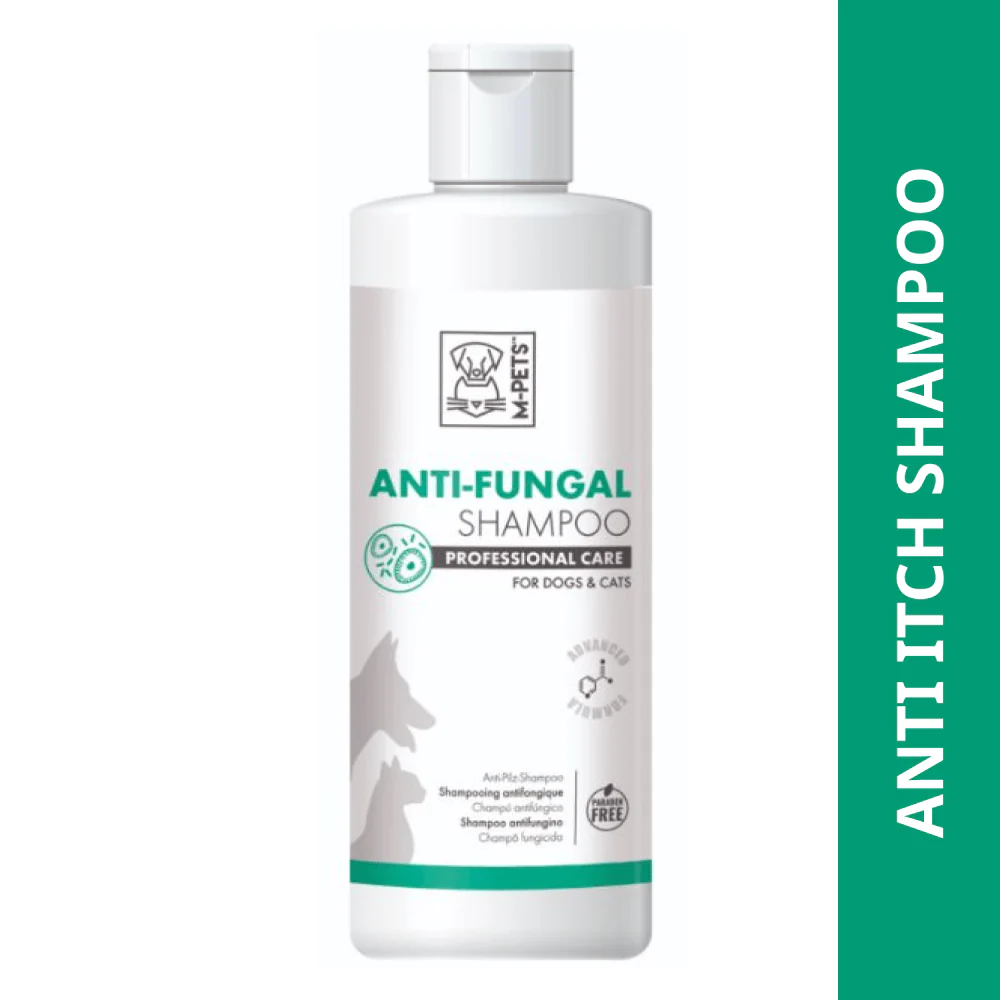
M Pets Anti Fungal Shampoo for Dogs and Cats
M Pets Anti Fungal Shampoo for Dogs and Cats - Gentle, Bath-Time Relief from Fungal Skin Problems
If your dog has been scratching more than usual, or you've noticed circular bald patches, flaky skin, or a persistent musty smell that doesn't go away even after a regular bath, there's a good chance fungal activity is at play. Fungal skin infections are among the most common skin problems in Indian dogs and cats, particularly during the humid months when warm, moist conditions give fungi like Malassezia and ringworm exactly the environment they thrive in. The M Pets Anti Fungal Shampoo is a gentle, vet-reviewed antifungal shampoo for dogs and cats, formulated to address this directly at bath time, without harsh chemicals that strip the coat or irritate already-sensitive skin.
This is a grooming shampoo built with a specific therapeutic purpose: to clean the coat while simultaneously targeting the fungal or yeast activity on the skin underneath. The formula is pH-balanced and developed for regular use on both dogs and cats, making it a practical option for pet parents managing recurring fungal issues, or those looking for a gentle medicated option to add into their bathing routine during peak humid or monsoon season.
What Are the Uses and Benefits of M Pets Anti Fungal Shampoo?
This antifungal shampoo for dogs and cats is most commonly used for:
- Managing fungal skin infections including ringworm, yeast overgrowth, and fungal dermatitis, which appear as circular patches, hair loss, redness, or persistent itching
- Controlling Malassezia yeast, one of the most common causes of recurring itching, greasy or scaly patches, and that characteristic musty odour that regular shampoos can't address
- Supporting skin and coat health during and after a fungal infection, helping restore a cleaner, healthier-looking coat as the infection clears
- Acting as a preventive medicated wash during India's monsoon season, when humidity levels make fungal growth significantly more likely in both dogs and cats
- Providing a gentler, shampoo-format option for pet parents who prefer to incorporate antifungal care into an existing bath routine rather than relying solely on topical creams or sprays
- Relieving associated symptoms like itching, redness, and skin flakiness that come with fungal infections, improving your pet's comfort with every wash
What Side Effects Should You Watch Out For?
M Pets Anti Fungal Shampoo is formulated to be gentle and is generally well tolerated by both dogs and cats when used as directed. Serious side effects are uncommon. That said, a small number of pets with very sensitive skin may occasionally experience mild dryness, slight redness, or a brief tingling sensation at the application site, particularly in the first couple of washes as the skin adjusts to the medicated formula.
- If your pet's skin appears more irritated after use rather than less, or if you notice swelling, redness that worsens, or unusual hair loss beyond what the infection itself has caused, discontinue use and consult your vet before bathing again.
- Keep the shampoo away from your pet's eyes, ears, nose, and mouth during application; if accidental contact occurs, flush the area with clean water immediately.
- If your pet licks or ingests a small amount during bathing, this is generally not a cause for serious concern, but watch for any signs of stomach upset and contact your vet if you're worried.
How Should You Use M Pets Anti Fungal Shampoo?
- Wet your pet's coat thoroughly with warm water before applying the shampoo, ensuring the coat is soaked all the way down to the skin, particularly in thicker-coated breeds where the shampoo needs to penetrate deeper to reach the affected skin.
- Apply a generous amount of the shampoo to the coat and lather well, working it in with your fingertips rather than just massaging the surface, so the active ingredients make proper contact with the skin rather than sitting on the outer coat only.
- Allow the lather to sit for 5 to 10 minutes before rinsing; this contact time is critical for antifungal shampoos, since a quick lather-and-rinse significantly reduces how effectively the formula can work against fungal activity on the skin.
- Rinse thoroughly with clean water until no shampoo residue remains in the coat, as leftover residue can cause additional skin irritation.
- Use 2 to 3 times a week during active fungal infections, or as directed by your vet; once symptoms improve, frequency can typically be reduced to once a week or as a preventive routine during high-humidity months.
- For cats or pets who are anxious during baths, work quickly during the lather-and-wait step; having a second person to help hold and reassure your pet can make the 5 to 10 minute contact time more manageable.
How Does This Antifungal Shampoo Actually Work?
Antifungal shampoos work by delivering active antifungal agents directly to the skin surface during bathing, where they interfere with the growth and reproduction of fungal organisms. The key actives in a formula like this target the cell membranes of fungi, disrupting their structure and preventing them from multiplying further. This is why contact time during the bath matters so much; the longer the lathered shampoo stays in contact with the skin, the more effectively the active ingredients can work against existing fungal colonies. With consistent use over several weeks, the fungal load on the skin reduces progressively, which is why you'll typically see visible improvement after multiple uses rather than a dramatic overnight change after one bath. The shampoo also helps by physically removing dead skin, debris, and excess oils from the coat during washing, all of which create conditions that fungi tend to thrive in if left to accumulate.
What Safety Precautions Should You Keep in Mind?
- For external use only; not intended for ingestion, internal use, or application near the eyes, ears, or mouth.
- Always perform a small patch test on a discreet area of skin before the first full-body application, particularly for cats or pets with known sensitivities.
- Do not use on open wounds, severely broken skin, or areas with active bleeding; consult your vet for appropriate wound care products before starting a medicated shampoo routine on a compromised skin area.
- Keep the shampoo away from children, and store in a cool, dry place away from direct sunlight and heat.
- Antifungal shampoos can reduce the effectiveness of some topical spot-on flea and tick treatments when used together; if your pet is on a topical spot-on, check with your vet before introducing a medicated shampoo into the bathing routine.
- Consult your vet before use on pregnant or nursing animals, very young puppies or kittens, or pets with a history of multiple skin conditions.
Vet Tip - Dr Swathi Hareendran, MVSc (10+ years)
"One of the most common mistakes I see with antifungal shampoos is pet parents rinsing them off too quickly. The shampoo needs a minimum of 5 to 10 minutes of contact with the skin to actually work; without that, you're essentially just washing the coat and getting none of the therapeutic benefit. I also see pet parents stopping the shampoo routine as soon as the visible patches clear up, which is too early. Fungal infections can linger below the surface even when the skin looks better, so I usually recommend continuing the medicated baths for at least a week or two beyond visible recovery, always under vet guidance, to make sure the infection is fully cleared rather than just suppressed."
What Should You Do if You Miss a Bathing Session?
- Simply bathe your pet at the next available opportunity and continue the recommended schedule from that point; there is no need to double up on frequency to compensate for a missed session.
- During any gap in the medicated bathing routine, keep an eye on the affected skin areas for any signs of the infection returning or worsening, particularly in humid conditions where fungal activity tends to pick back up quickly.
- If you've missed multiple sessions and the affected areas appear to have worsened, check in with your vet before resuming the shampoo routine, since the current protocol may need adjusting depending on how the infection has progressed.
What Are All the Substitutes for M Pets Anti Fungal Shampoo?
| Product | Active Ingredient | Format | Notes |
|---|---|---|---|
| Intas Conaseb Antibacterial Antifungal Shampoo for Dogs & Cats | Ketoconazole, Chlorhexidine, Cetrimide | Medicated Shampoo | Double-strength pharmaceutical formula, suited for more persistent or recurring infections |
| Virbac Ketochlor Shampoo for Dogs and Cats | Ketoconazole 1%, Chlorhexidine Gluconate 2.1% | Medicated Shampoo | Vet-recommended formula with anti-adhesive technology to reduce bacterial and yeast reattachment |
| Corsie Mycosan Vet Shampoo for Dogs and Cats | Ketoconazole 2%, Chlorhexidine Gluconate 4% | Medicated Shampoo | Broad-spectrum dye-free formula, effective against ringworm and seborrhoeic dermatitis |
| Skyec Carebest Antibacterial Antifungal Shampoo for Dogs & Cats | Chlorhexidine, Ketoconazole | Medicated Shampoo | Gentle antibacterial and antifungal shampoo suited for dogs and cats with sensitive skin |
| Zenex Pet Derm Shampoo for Dogs and Cats | Chlorhexidine Gluconate 2%, Miconazole Nitrate 2% | Medicated Shampoo | Miconazole-based alternative, suited for ringworm and seborrhoeic dermatitis |
| Corsie Keramed Vet Shampoo for Dogs and Cats | Ketoconazole, Chlorhexidine | Medicated Shampoo | Antifungal and antibacterial formula suited for dogs and cats with recurring dermatitis |
What Are Some Quick Tips for Getting the Most Out of This Shampoo?
- Never skip the contact time; 5 to 10 minutes of lathered shampoo sitting on the skin is what separates a therapeutic wash from a regular one
- Wet the coat all the way down to the skin before applying, especially on thick-coated dogs, to make sure the active ingredients actually reach the affected area
- Stick to the full recommended course of baths even after visible improvement, since the infection can persist below the skin surface after patches appear to clear
- Pair the medicated shampoo with a vet check to confirm the diagnosis; not all skin issues are fungal, and using an antifungal shampoo on a bacterial or allergy-driven skin problem won't give you the results you need
- During India's monsoon season, keep your pet's coat as dry as possible between baths, since damp fur creates exactly the warm, moist environment that fungal growth needs to take hold
You Might Also Be Interested In...
- The Medicated Pet Shampoo collection brings together all vet-approved antibacterial and antifungal shampoos for dogs and cats, including prescription-grade options for more persistent or complex skin infections.
- The Dog Skin Care and Cat Skin Care collections have topical creams, sprays, and supplements that pair well with a medicated shampoo routine for more complete skin support.
- The Pet Shampoos & Conditioners collection is worth exploring if you're looking to follow up with a gentle conditioning wash alongside the medicated routine.
Clear Skin Starts at Bath Time
Fungal infections are frustrating for your pet and worrying for you, but the right medicated shampoo used consistently is one of the most effective ways to get on top of the problem. M Pets Anti Fungal Shampoo for Dogs and Cats gives your pet a gentle but targeted wash designed to reduce fungal load, relieve itching and irritation, and support healthier skin with every bath.
250mL. ₹383. Order M Pets Anti Fungal Shampoo for Dogs and Cats on Supertails today and give your pet's skin the relief it's been waiting for.
FAQs
What are the ingredients in M Pets Anti Fungal Shampoo?
M Pets Anti Fungal Shampoo is formulated with antifungal active agents in a pH-balanced shampoo base designed for use on dogs and cats. For the full and current ingredient list, refer to the product label or the product page on Supertails, as formulations can vary by batch and the most accurate ingredient information is always on the packaging.
Do antifungal shampoos work?
Yes, antifungal shampoos are clinically effective for managing fungal skin infections when used correctly and consistently. The key factors are adequate contact time during the bath (at least 5 to 10 minutes), regular use over the full recommended course, and using the right shampoo for the specific type of fungal infection your pet has, as confirmed by a vet.
Does antifungal shampoo have side effects?
Antifungal shampoos are generally gentle and well tolerated by most dogs and cats. Occasional mild dryness or brief skin sensitivity can occur in pets with very reactive skin. Serious side effects are uncommon when the shampoo is used as directed, but if your pet's skin worsens after use, stop and consult your vet before continuing.
What kills fungus on animals?
Topical antifungal agents like ketoconazole, miconazole, and chlorhexidine, delivered through medicated shampoos, sprays, or creams, are effective at killing fungal organisms on the skin surface. For deeper or systemic fungal infections, oral antifungal medication prescribed by a vet may be needed alongside topical treatment for full clearance.
Original: $4.14
-65%$4.14
$1.45Product Information
Product Information
Shipping & Returns
Shipping & Returns
Description
M Pets Anti Fungal Shampoo for Dogs and Cats - Gentle, Bath-Time Relief from Fungal Skin Problems
If your dog has been scratching more than usual, or you've noticed circular bald patches, flaky skin, or a persistent musty smell that doesn't go away even after a regular bath, there's a good chance fungal activity is at play. Fungal skin infections are among the most common skin problems in Indian dogs and cats, particularly during the humid months when warm, moist conditions give fungi like Malassezia and ringworm exactly the environment they thrive in. The M Pets Anti Fungal Shampoo is a gentle, vet-reviewed antifungal shampoo for dogs and cats, formulated to address this directly at bath time, without harsh chemicals that strip the coat or irritate already-sensitive skin.
This is a grooming shampoo built with a specific therapeutic purpose: to clean the coat while simultaneously targeting the fungal or yeast activity on the skin underneath. The formula is pH-balanced and developed for regular use on both dogs and cats, making it a practical option for pet parents managing recurring fungal issues, or those looking for a gentle medicated option to add into their bathing routine during peak humid or monsoon season.
What Are the Uses and Benefits of M Pets Anti Fungal Shampoo?
This antifungal shampoo for dogs and cats is most commonly used for:
- Managing fungal skin infections including ringworm, yeast overgrowth, and fungal dermatitis, which appear as circular patches, hair loss, redness, or persistent itching
- Controlling Malassezia yeast, one of the most common causes of recurring itching, greasy or scaly patches, and that characteristic musty odour that regular shampoos can't address
- Supporting skin and coat health during and after a fungal infection, helping restore a cleaner, healthier-looking coat as the infection clears
- Acting as a preventive medicated wash during India's monsoon season, when humidity levels make fungal growth significantly more likely in both dogs and cats
- Providing a gentler, shampoo-format option for pet parents who prefer to incorporate antifungal care into an existing bath routine rather than relying solely on topical creams or sprays
- Relieving associated symptoms like itching, redness, and skin flakiness that come with fungal infections, improving your pet's comfort with every wash
What Side Effects Should You Watch Out For?
M Pets Anti Fungal Shampoo is formulated to be gentle and is generally well tolerated by both dogs and cats when used as directed. Serious side effects are uncommon. That said, a small number of pets with very sensitive skin may occasionally experience mild dryness, slight redness, or a brief tingling sensation at the application site, particularly in the first couple of washes as the skin adjusts to the medicated formula.
- If your pet's skin appears more irritated after use rather than less, or if you notice swelling, redness that worsens, or unusual hair loss beyond what the infection itself has caused, discontinue use and consult your vet before bathing again.
- Keep the shampoo away from your pet's eyes, ears, nose, and mouth during application; if accidental contact occurs, flush the area with clean water immediately.
- If your pet licks or ingests a small amount during bathing, this is generally not a cause for serious concern, but watch for any signs of stomach upset and contact your vet if you're worried.
How Should You Use M Pets Anti Fungal Shampoo?
- Wet your pet's coat thoroughly with warm water before applying the shampoo, ensuring the coat is soaked all the way down to the skin, particularly in thicker-coated breeds where the shampoo needs to penetrate deeper to reach the affected skin.
- Apply a generous amount of the shampoo to the coat and lather well, working it in with your fingertips rather than just massaging the surface, so the active ingredients make proper contact with the skin rather than sitting on the outer coat only.
- Allow the lather to sit for 5 to 10 minutes before rinsing; this contact time is critical for antifungal shampoos, since a quick lather-and-rinse significantly reduces how effectively the formula can work against fungal activity on the skin.
- Rinse thoroughly with clean water until no shampoo residue remains in the coat, as leftover residue can cause additional skin irritation.
- Use 2 to 3 times a week during active fungal infections, or as directed by your vet; once symptoms improve, frequency can typically be reduced to once a week or as a preventive routine during high-humidity months.
- For cats or pets who are anxious during baths, work quickly during the lather-and-wait step; having a second person to help hold and reassure your pet can make the 5 to 10 minute contact time more manageable.
How Does This Antifungal Shampoo Actually Work?
Antifungal shampoos work by delivering active antifungal agents directly to the skin surface during bathing, where they interfere with the growth and reproduction of fungal organisms. The key actives in a formula like this target the cell membranes of fungi, disrupting their structure and preventing them from multiplying further. This is why contact time during the bath matters so much; the longer the lathered shampoo stays in contact with the skin, the more effectively the active ingredients can work against existing fungal colonies. With consistent use over several weeks, the fungal load on the skin reduces progressively, which is why you'll typically see visible improvement after multiple uses rather than a dramatic overnight change after one bath. The shampoo also helps by physically removing dead skin, debris, and excess oils from the coat during washing, all of which create conditions that fungi tend to thrive in if left to accumulate.
What Safety Precautions Should You Keep in Mind?
- For external use only; not intended for ingestion, internal use, or application near the eyes, ears, or mouth.
- Always perform a small patch test on a discreet area of skin before the first full-body application, particularly for cats or pets with known sensitivities.
- Do not use on open wounds, severely broken skin, or areas with active bleeding; consult your vet for appropriate wound care products before starting a medicated shampoo routine on a compromised skin area.
- Keep the shampoo away from children, and store in a cool, dry place away from direct sunlight and heat.
- Antifungal shampoos can reduce the effectiveness of some topical spot-on flea and tick treatments when used together; if your pet is on a topical spot-on, check with your vet before introducing a medicated shampoo into the bathing routine.
- Consult your vet before use on pregnant or nursing animals, very young puppies or kittens, or pets with a history of multiple skin conditions.
Vet Tip - Dr Swathi Hareendran, MVSc (10+ years)
"One of the most common mistakes I see with antifungal shampoos is pet parents rinsing them off too quickly. The shampoo needs a minimum of 5 to 10 minutes of contact with the skin to actually work; without that, you're essentially just washing the coat and getting none of the therapeutic benefit. I also see pet parents stopping the shampoo routine as soon as the visible patches clear up, which is too early. Fungal infections can linger below the surface even when the skin looks better, so I usually recommend continuing the medicated baths for at least a week or two beyond visible recovery, always under vet guidance, to make sure the infection is fully cleared rather than just suppressed."
What Should You Do if You Miss a Bathing Session?
- Simply bathe your pet at the next available opportunity and continue the recommended schedule from that point; there is no need to double up on frequency to compensate for a missed session.
- During any gap in the medicated bathing routine, keep an eye on the affected skin areas for any signs of the infection returning or worsening, particularly in humid conditions where fungal activity tends to pick back up quickly.
- If you've missed multiple sessions and the affected areas appear to have worsened, check in with your vet before resuming the shampoo routine, since the current protocol may need adjusting depending on how the infection has progressed.
What Are All the Substitutes for M Pets Anti Fungal Shampoo?
| Product | Active Ingredient | Format | Notes |
|---|---|---|---|
| Intas Conaseb Antibacterial Antifungal Shampoo for Dogs & Cats | Ketoconazole, Chlorhexidine, Cetrimide | Medicated Shampoo | Double-strength pharmaceutical formula, suited for more persistent or recurring infections |
| Virbac Ketochlor Shampoo for Dogs and Cats | Ketoconazole 1%, Chlorhexidine Gluconate 2.1% | Medicated Shampoo | Vet-recommended formula with anti-adhesive technology to reduce bacterial and yeast reattachment |
| Corsie Mycosan Vet Shampoo for Dogs and Cats | Ketoconazole 2%, Chlorhexidine Gluconate 4% | Medicated Shampoo | Broad-spectrum dye-free formula, effective against ringworm and seborrhoeic dermatitis |
| Skyec Carebest Antibacterial Antifungal Shampoo for Dogs & Cats | Chlorhexidine, Ketoconazole | Medicated Shampoo | Gentle antibacterial and antifungal shampoo suited for dogs and cats with sensitive skin |
| Zenex Pet Derm Shampoo for Dogs and Cats | Chlorhexidine Gluconate 2%, Miconazole Nitrate 2% | Medicated Shampoo | Miconazole-based alternative, suited for ringworm and seborrhoeic dermatitis |
| Corsie Keramed Vet Shampoo for Dogs and Cats | Ketoconazole, Chlorhexidine | Medicated Shampoo | Antifungal and antibacterial formula suited for dogs and cats with recurring dermatitis |
What Are Some Quick Tips for Getting the Most Out of This Shampoo?
- Never skip the contact time; 5 to 10 minutes of lathered shampoo sitting on the skin is what separates a therapeutic wash from a regular one
- Wet the coat all the way down to the skin before applying, especially on thick-coated dogs, to make sure the active ingredients actually reach the affected area
- Stick to the full recommended course of baths even after visible improvement, since the infection can persist below the skin surface after patches appear to clear
- Pair the medicated shampoo with a vet check to confirm the diagnosis; not all skin issues are fungal, and using an antifungal shampoo on a bacterial or allergy-driven skin problem won't give you the results you need
- During India's monsoon season, keep your pet's coat as dry as possible between baths, since damp fur creates exactly the warm, moist environment that fungal growth needs to take hold
You Might Also Be Interested In...
- The Medicated Pet Shampoo collection brings together all vet-approved antibacterial and antifungal shampoos for dogs and cats, including prescription-grade options for more persistent or complex skin infections.
- The Dog Skin Care and Cat Skin Care collections have topical creams, sprays, and supplements that pair well with a medicated shampoo routine for more complete skin support.
- The Pet Shampoos & Conditioners collection is worth exploring if you're looking to follow up with a gentle conditioning wash alongside the medicated routine.
Clear Skin Starts at Bath Time
Fungal infections are frustrating for your pet and worrying for you, but the right medicated shampoo used consistently is one of the most effective ways to get on top of the problem. M Pets Anti Fungal Shampoo for Dogs and Cats gives your pet a gentle but targeted wash designed to reduce fungal load, relieve itching and irritation, and support healthier skin with every bath.
250mL. ₹383. Order M Pets Anti Fungal Shampoo for Dogs and Cats on Supertails today and give your pet's skin the relief it's been waiting for.
FAQs
What are the ingredients in M Pets Anti Fungal Shampoo?
M Pets Anti Fungal Shampoo is formulated with antifungal active agents in a pH-balanced shampoo base designed for use on dogs and cats. For the full and current ingredient list, refer to the product label or the product page on Supertails, as formulations can vary by batch and the most accurate ingredient information is always on the packaging.
Do antifungal shampoos work?
Yes, antifungal shampoos are clinically effective for managing fungal skin infections when used correctly and consistently. The key factors are adequate contact time during the bath (at least 5 to 10 minutes), regular use over the full recommended course, and using the right shampoo for the specific type of fungal infection your pet has, as confirmed by a vet.
Does antifungal shampoo have side effects?
Antifungal shampoos are generally gentle and well tolerated by most dogs and cats. Occasional mild dryness or brief skin sensitivity can occur in pets with very reactive skin. Serious side effects are uncommon when the shampoo is used as directed, but if your pet's skin worsens after use, stop and consult your vet before continuing.
What kills fungus on animals?
Topical antifungal agents like ketoconazole, miconazole, and chlorhexidine, delivered through medicated shampoos, sprays, or creams, are effective at killing fungal organisms on the skin surface. For deeper or systemic fungal infections, oral antifungal medication prescribed by a vet may be needed alongside topical treatment for full clearance.